Clear Air Turbulence Snaps Winglet: The Story of AA3729
How Terrifying Is Clear Air Turbulence? It Snapped a Plane's Winglet Right Off!
Have you ever seen an airplane with a "missing piece" on its wing? In May 2022, an American Airlines regional jet made headlines for a shocking reason—after encountering severe turbulence at 36,000 feet, it landed with part of its wingtip missing.
Here's the full story of that dramatic flight, and where that aircraft is today.
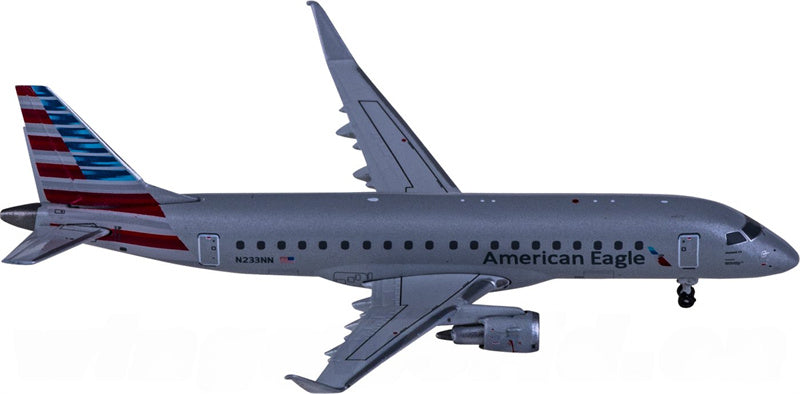
The Incident: Flight AA3729
On May 3, 2022, an Embraer ERJ-175LR registered as N233NN was operating American Airlines Flight AA3729 from Charleston (CHS) to Dallas/Fort Worth (DFW).
The flight was smooth—until it wasn't.
While cruising at 36,000 feet (about 11 kilometers), the aircraft suddenly hit severe clear air turbulence. Unlike turbulence caused by visible storms, clear air turbulence is invisible to weather radar and strikes without warning.
The force was so violent that it snapped off the right winglet—the upward-curving tip at the end of the wing.
Imagine looking out your window and seeing part of the wing simply gone.

Quick Facts: Winglets & Clear Air Turbulence
What is a winglet?
- It's not just for looks. Winglets reduce drag by smoothing out the vortex at the wingtip, improving fuel efficiency by 3–5%.
- Flying without one increases fuel burn and affects stability. The fact that N233NN landed safely with a broken winglet is a testament to both aircraft design and pilot skill.
What is clear air turbulence?
- CAT occurs in cloudless skies, often near jet streams. It's undetectable by onboard radar and can be severe enough to cause structural damage or injuries.
- This event became a textbook case in aviation safety training for CAT hazards.
The Aftermath: A Safe Landing
Despite the damage, the flight crew remained calm and professional. The aircraft diverted to Birmingham–Shuttlesworth International Airport (BHM), where it landed safely.
No passengers or crew were injured.
Photos taken by passengers on board quickly went viral on social media—showing the missing winglet and sparking widespread discussion about aviation safety.

Where Is N233NN Now?
After repairs, the aircraft returned to service and remains active today.
According to recent flight tracking data, this nearly 10-year-old Embraer E175 continues to fly regularly for American Airlines, primarily operating regional routes between major hubs like:
- Chicago O'Hare (ORD)
- Dallas/Fort Worth (DFW)
- Miami (MIA)
It's still out there, doing what it was built to do—safely carrying passengers across the country.
Final Thought
Every safe flight is the result of countless unseen efforts—from aircraft design to pilot training to maintenance. N233NN's story is both a shocking incident and a testament to aviation's resilience.
Next time you're on a flight and the seatbelt sign comes on, buckle up. You never know what the sky might throw at you.
Frequently Asked Questions
What is clear air turbulence?
Clear air turbulence (CAT) is sudden, severe turbulence occurring in cloudless skies at high altitude, typically caused by jet streams or wind shear. Its main danger is that it cannot be detected by onboard weather radar.
What does a winglet do on an aircraft?
A winglet is the upward-curving tip at the end of an aircraft's wing. Its primary function is to reduce drag by smoothing out the vortex at the wingtip, improving fuel efficiency by approximately 3-5%. It also enhances directional stability and climb performance.
Is N233NN still flying today?
Yes, N233NN was repaired and returned to service. According to recent flight tracking data, it continues to operate regional routes for American Airlines, primarily connecting hubs such as Chicago O'Hare, Dallas/Fort Worth, and Miami.
What happened to American Airlines Flight AA3729?
On May 3, 2022, Flight AA3729 encountered severe clear air turbulence at 36,000 feet, which snapped off its right winglet. The aircraft diverted safely to Birmingham-Shuttlesworth International Airport with no injuries to passengers or crew. The incident became a textbook case for CAT hazards in aviation safety training.